



Acetolactate Synthase (ALS)
Acetohydroxyacid synthase
Acetohydroxyacid synthase (ALS), a thiamine diphosphate-dependent enzyme, can condense either two pyruvate molecules to form acetolactate for synthesizing Lvaline and L-leucine or pyruvate with 2-ketobutyrate to form acetohydroxybutyrate for synthesizing L-isoleucine. Because the key reaction catalyzed by acetohydroxyacid synthase in the biosynthetic pathways of branched-chain amino acids (valine, leucine, and isoleucine) exists in plants, fungi, archaea, and bacteria, but not in animals, acetohydroxyacid synthase becomes a potential target for developing novel herbicides and antimicrobial compounds.
All Product Categories
-
Acetolactate Synthase (ALS) Related Products (42)
Related Products (42)

-
Imazamox
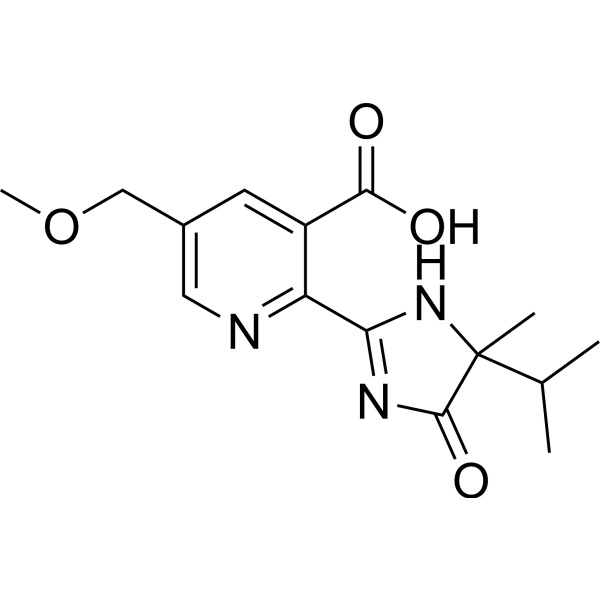 0 ImagesSynonyms: CL29926; (±)-ImazamoxImazamox (CL29926) is a systemic herbicide that inhibits the production of acetolactate synthase (ALS) in plants with high selectivity, high activity, safety and broadspectrum activity, which would then inhibit plant growth and ultimately lead to plant death.
-
Chlorsulfuron
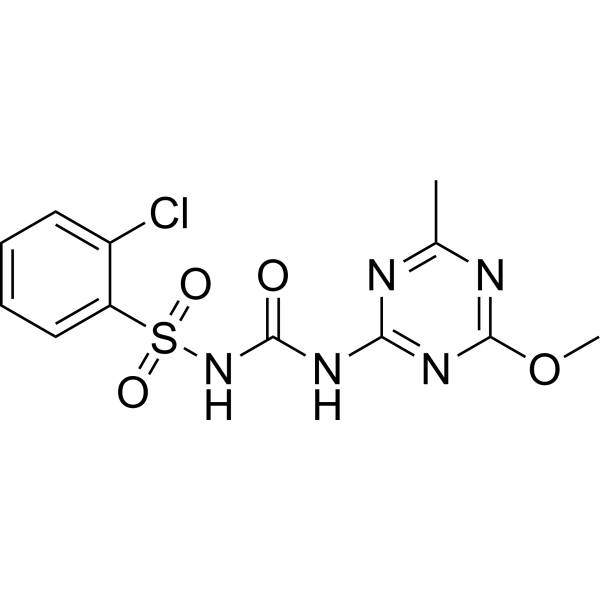 0 ImagesChlorsulfuron is an acetolactate synthase inhibitor and selective systemic herbicide. Chlorsulfuron blocks the synthesis of branched-chain amino acids (valine and isoleucine), thereby inhibiting protein synthesis, cell growth, and cell division. Chlorsulfuron blocks G1 and G2 phase cell cycle progression in plant root tip cells without directly interfering with mitosis or DNA synthesis. Chlorsulfuron completely inhibits germination of non-target terrestrial plants and is highly toxic to aquatic macrophytes. Chlorsulfuron has low toxicity to mammals, birds and bees, and moderate toxicity to fish and aquatic invertebrates. Chlorsulfuron can be used in studies related to herbicides, plant cell cycles and ecotoxicology.
-
Nicosulfuron
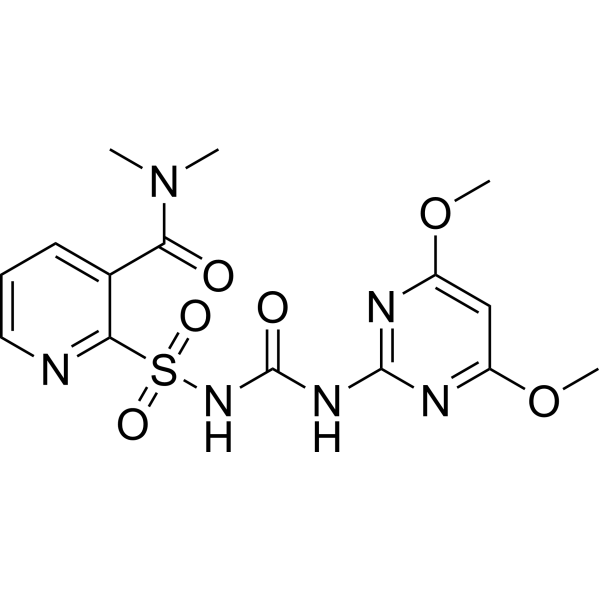 0 ImagesCat. No.: HY-B1876CAS No.: 111991-09-4Nicosulfuron is efficient, harmless, antifungal and selective herbicide belonging to the sulfonylurea family. Nicosulfuron is also a photosynthetic system inhibitor and inhibits acetolactate synthase (ALS) enzyme activity. Nicosulfuron degradation by Plectosphaerella cucumerina AR1 is glucose concentration dependent in planktonic lifestyle. Nicosulfuron enhances the glycolysis pathway and tricarboxylic acid cycle to improve the adaptability of sweet maize. Nicosulfuron reduces the synthesis of branched-chain amino acids (BCAAs), which is proming for maize cultivation.
-
Terbuthylazine
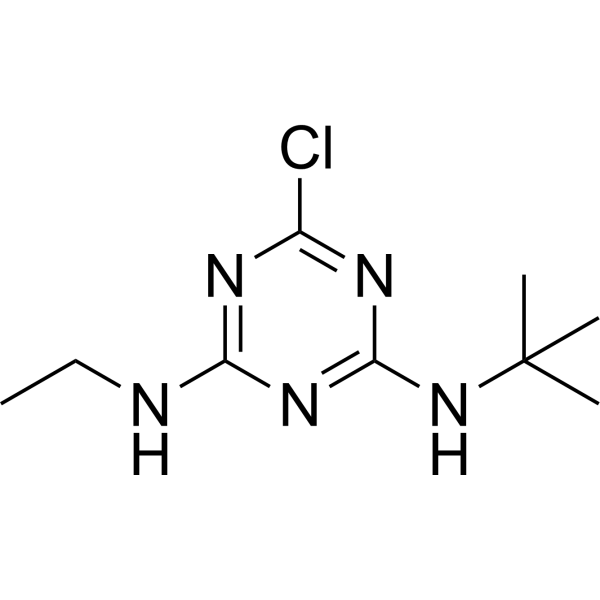 0 ImagesTerbuthylazine is an inhibitor of acetolactate syntase (ALS), is a selective herbicide. Terbuthylazine blocks electron transport in photosystem II via interaction with the D1-protein.
-
Bispyribac sodium
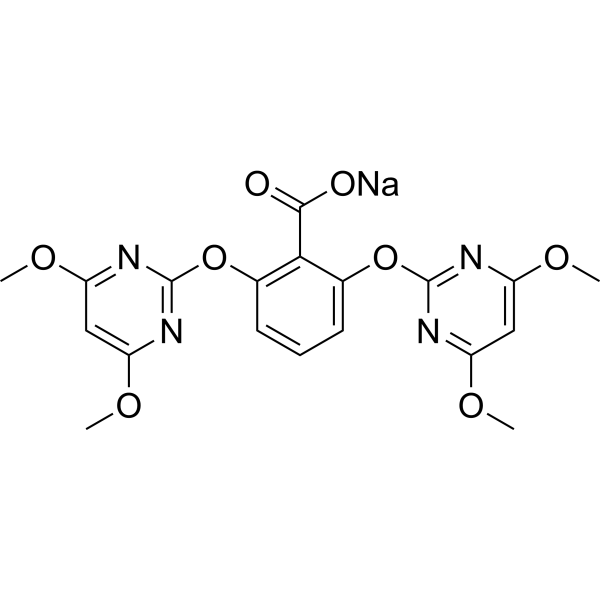 0 ImagesBispyribac sodium is a selective, orally active, systemic and post-emergence herbicide. Bispyribac sodium reduces SOD levels and inhibits ALS activity. Bispyribac sodium blocks the biosynthesis of branched-chain amino acids, resulting in growth retardation, chlorosis and necrosis of weeds. Bispyribac sodium exerts herbicidal activity against grass, sedge and broadleaf weeds in rice fields. Bispyribac sodium is hepatotoxic and genotoxic.
-
α-Acetohydroxybutyric acid
 0 Imagesα-Acetohydroxybutyric acid is a metabolic intermediate produced under the catalysis of acetolactate synthase. α-Acetohydroxybutyric acid is generated from 2-oxobutyric acid and converted into 2,3-dihydroxy-3-methylpentanoic acid in the 2-methylbutanol biosynthetic pathway.
-
Diflufenican
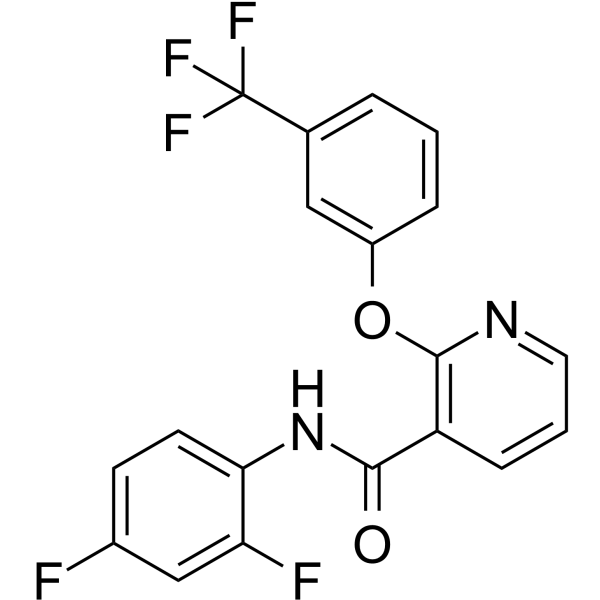 0 ImagesDiflufenican is a Herbicide. Diflufenican inhibits phytoene desaturase (PDS) in the carotenoid synthesis pathway. Diflufenican suppresses the production of PDS, blocks carotenoid biosynthesis, thereby inducing chlorophyll destruction and cell membrane rupture, and ultimately causes the death of broadleaf weeds. The combination of Diflufenican and Flufenacet can be used to control Lolium rigidum populations resistant to ALS/ACCase.
-
Imazapic
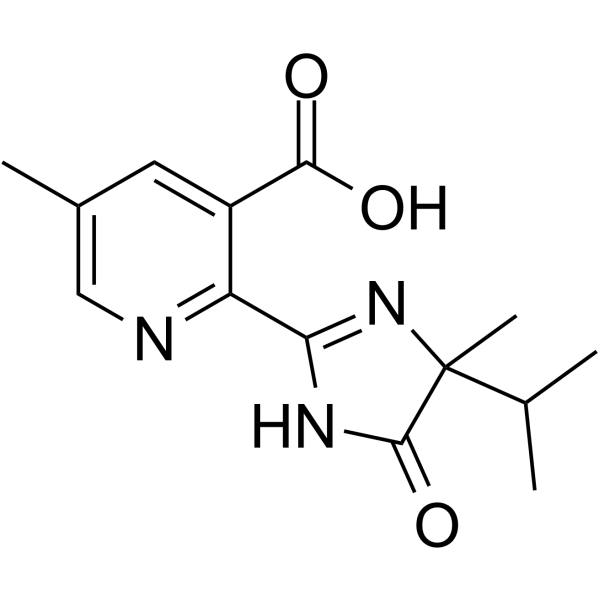 0 ImagesImazapic is an imidazolinone herbicide. Imazapic is an inhibitor of acetolactate synthase, which inhibits branched-chain amino acid biosynthesis, thereby hindering protein synthesis and cell growth and exerting herbicidal activity. Imazapic exerts a lethal effect only on Phelipanche aegyptiaca that has already parasitically attached to tomato roots, and has no inhibitory effect on unattached broomrape seeds and seedlings. Imazapic can control weedy annual grasses, non-grass herbaceous plants, and downy brome, but can damage perennial forage grass species. Imazapic can be used in herbicide-related research.
-
Imazamox (Standard)
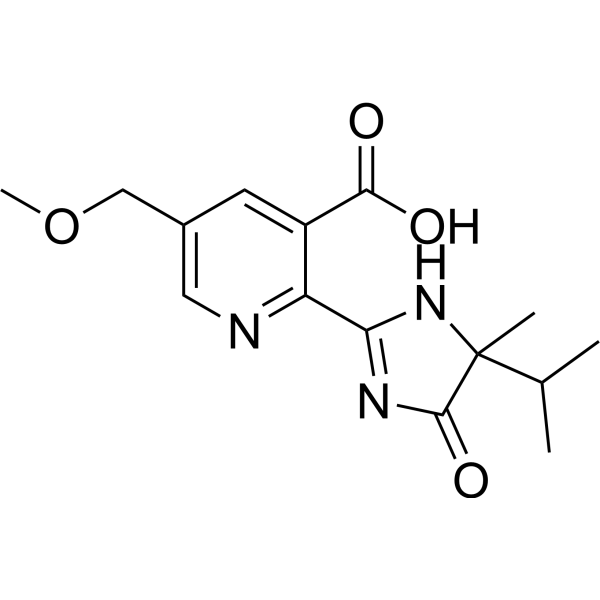 0 ImagesCat. No.: HY-100427RCAS No.: 114311-32-9Synonyms: CL29926 (Standard); (±)-Imazamox (Standard)Imazamox (Standard) is the analytical standard of Imazamox. This product is intended for research and analytical applications. Imazamox (CL29926) is a systemic herbicide that inhibits the production of acetolactate synthase (ALS) in plants with high selectivity, high activity, safety and broadspectrum activity, which would then inhibit plant growth and ultimately lead to plant death.
-
Pyrazosulfuron-ethyl
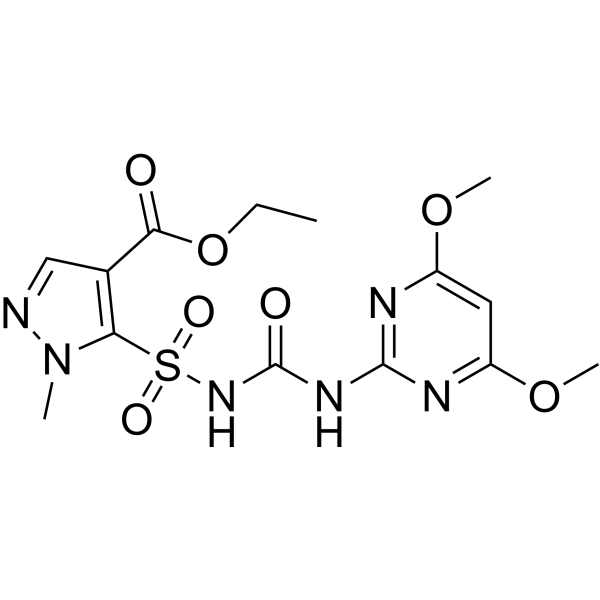 0 ImagesPyrazosulfuron-ethyl, one of the acetolactate synthase inhibiting herbicides in the sulphonylurea family, has been widely used to control weed growth in commercial cereal, soybean, and vegetable fields.
-
Terbuthylazine-d9
 0 ImagesTerbuthylazine-d9 is the deuterium labeled Terbuthylazine (HY-B1847). Terbuthylazine is an inhibitor of acetolactate syntase (ALS), is a selective herbicide. Terbuthylazine blocks electron transport in photosystem II via interaction with the D1-protein.
-
Imazamox-13C,d3
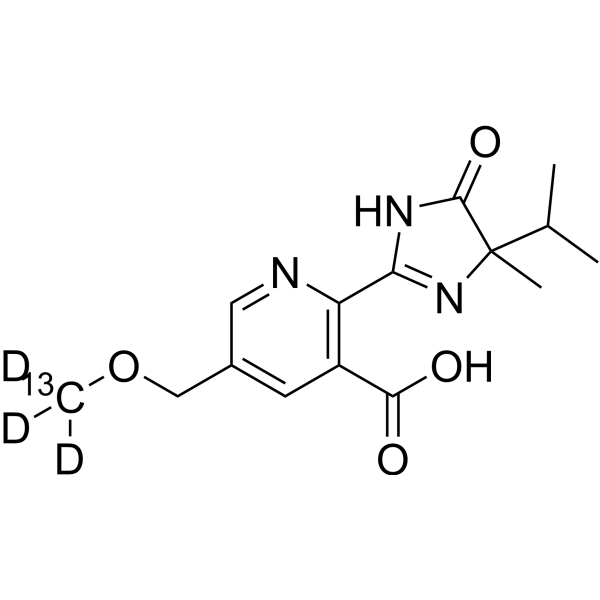 0 ImagesCat. No.: HY-100427SPurity: 99.63%Synonyms: CL29926-13C,d3; (±)-Imazamox-13C,d3Imazamox-13C,d3 is the 13C- and deuterium labeled Imazamox. Imazamox (CL29926) is a systemic herbicide that inhibits the production of acetolactate synthase (ALS) in plants with high selectivity, high activity, safety and broadspectrum activity, which would then inhibit plant growth and ultimately lead to plant death.
-
Mesosulfuron-methyl
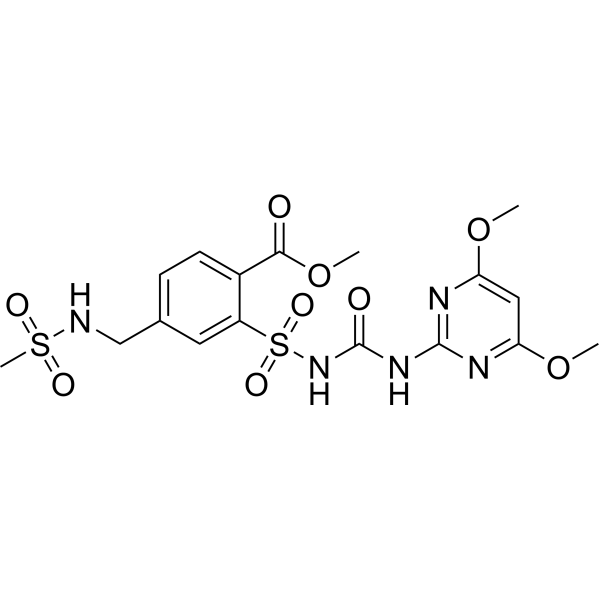 0 ImagesMesosulfuron-methyl is a sulfonylurea herbicide that inhibits acetolactate synthase (ALS) and is used in research for post-emergence control of ryegrass and Avena spp. (wild oat) in wheat fields.
-
Terbuthylazine (Standard)
 0 ImagesTerbuthylazine (Standard) is the analytical standard of Terbuthylazine (HY-B1847). This product is intended for research and analytical applications. Terbuthylazine is an inhibitor of acetolactate syntase (ALS), is a selective herbicide. Terbuthylazine blocks electron transport in photosystem II via interaction with the D1-protein.
-
Cloransulam-methyl
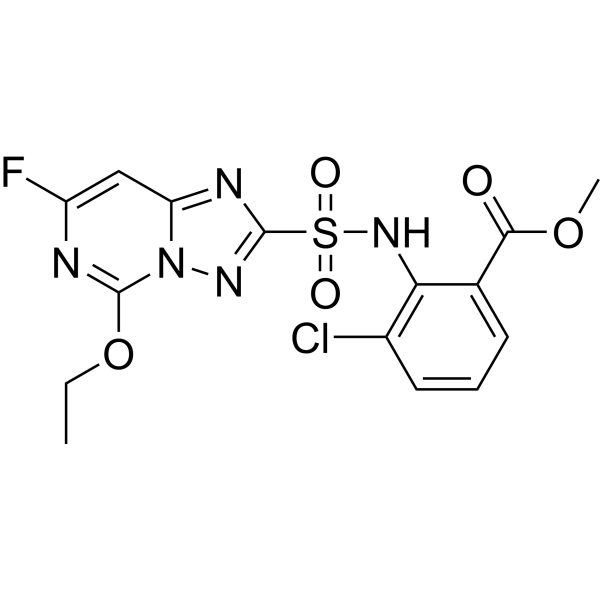 0 ImagesCloransulam-methyl is a triazolopyrimidine sulfonanilide herbicide. Cloransulam-methyl can be used to control broadleaf weeds in soybean by acetolactate synthase (ALS) inhibition.
-
Tritosulfuron
 0 ImagesTritosulfuron is a sulfonylurea herbicide. Tritosulfuron has inhibitory activity against acetolactate synthase. Tritosulfuron is a broad-spectrum post-emergent dicotyledonous herbicide used in cereals, maize, and turf cultivation.
-
AB-22
 0 ImagesCat. No.: HY-178732CAS No.: 1463913-43-0AB-22, a vinyl sulfate compound, is an orally active antifungal agent. AB-22 inhibits hyphal growth and biofilm initiation by inhibiting the gene expression of ALS3, HWP1, and ECE1 in Candida albicans SC5314 cells. AB-22 can be used for the research of infrction, such as systemic candidiasis.
-
Triafamone
 0 ImagesCat. No.: HY-121727CAS No.: 874195-61-6Synonyms: AE 1887196; BCS-BX60309Triafamone (AE 1887196) is a paddy field pre-emergence and post-emergence sulfonamide herbicide. Triafamone weeds by inhibiting the acetolactate synthase (ALS) enzyme, thereby blocking the biosynthesis of branched-chain amino acids.
-
Nicosulfuron (Standard)
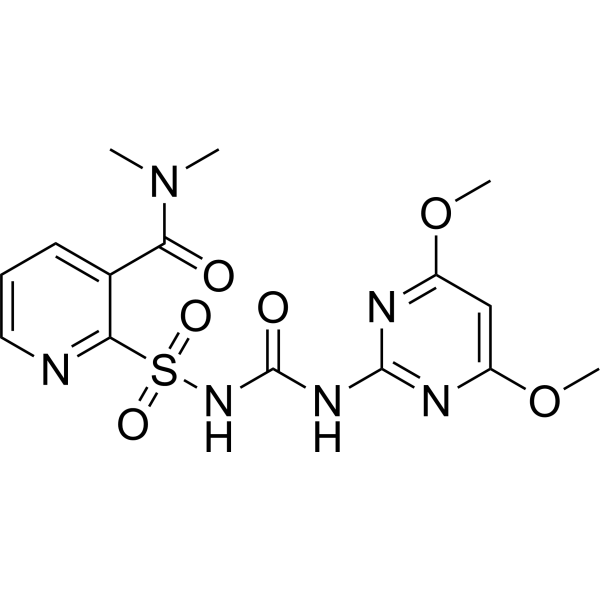 0 ImagesCat. No.: HY-B1876RCAS No.: 111991-09-4Nicosulfuron (Standard) is the analytical standard of Nicosulfuron. This product is intended for research and analytical applications. Nicosulfuron is a selective herbicide belonging to the sulfonylurea family. Nicosulfuron is commonly used as a post-emergence herbicide to protect maize crops from weeds. Nicosulfuron inhibits acetolactate synthase (ALS) enzyme activity.
-
Terbuthylazine-d5
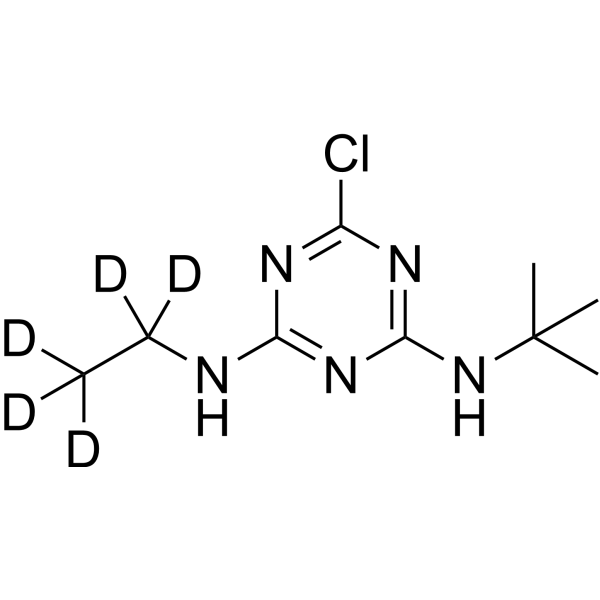 0 ImagesTerbuthylazine-d5 is the deuterium labeled Terbuthylazine (HY-B1847). Terbuthylazine is an inhibitor of acetolactate syntase (ALS), is a selective herbicide. Terbuthylazine blocks electron transport in photosystem II via interaction with the D1-protein.



